

If your child does not want to take a bath, you are far from alone. For many parents, ten minutes in the tub can feel like the French Revolution, a Shakespearean drama, and a heroic epic all at once. The good news is that this is a very common phase, and in many cases, children learn to enjoy bath time over time.
If you are looking for practical ways to handle this daily challenge, you are in the right place. In this article, we explore the most common reasons why children resist bath time and share simple, effective strategies to make the experience easier and calmer for everyone involved.
In short: why bath time turns into a struggle
-
- It interrupts play and suddenly changes the environment
- Certain stimuli are unpleasant (water, noise, shampoo in the eyes)
- Between the ages of 2 and 5, the need for control and independence emerges
- There may be specific fears (the toilet flush, slipping, water in the face)
- The solution: routine, small choices, targeted games, and gentle tools
Why children dislike bath time: it is not just a tantrum
Children communicate their needs differently from adults, and what may look like a tantrum is often a form of distress or discomfort. Crying, yelling, or refusing to get into the tub can be a child’s way of expressing fear, frustration, or sensory overload.
When a child resists bath time, they may be telling you they feel cold, uncomfortable, overwhelmed, or simply unwilling to stop what they are doing. Here are some of the most common reasons.
Bath time interrupts play
Young children live deeply in the moment, especially when they are playing. Asking them to stop and move to the bathroom can feel like a sudden and unwelcome interruption to something very important. From their perspective, bath time is not always the problem itself. Sometimes, it is the abrupt transition that causes the resistance.
Sensitivity to sensory stimuli
Some children are more sensitive to physical sensations than others. Water temperature, running water, shampoo in the eyes, and the feeling of wet hair can all be unpleasant. For children with heightened sensory sensitivity, bath time may be genuinely uncomfortable rather than simply inconvenient.
A growing need for autonomy and control
Between the ages of 2 and 5, many children begin asserting their independence more strongly. Being told they must take a bath right now can trigger resistance, not because they dislike hygiene, but because they want a say in what happens to them. In these cases, bath refusal is often more about control than cleanliness.
Specific fears
Very young children can also develop fears that may seem irrational to adults but feel entirely real to them. Common examples include the sound of water draining away, the fear of slipping, or anxiety about getting water on the face. These fears should not be dismissed, because they can strongly affect how a child experiences bath time.
Practical bath time strategies to reduce tears and resistance
- Turn bath time into play before it feels like a duty
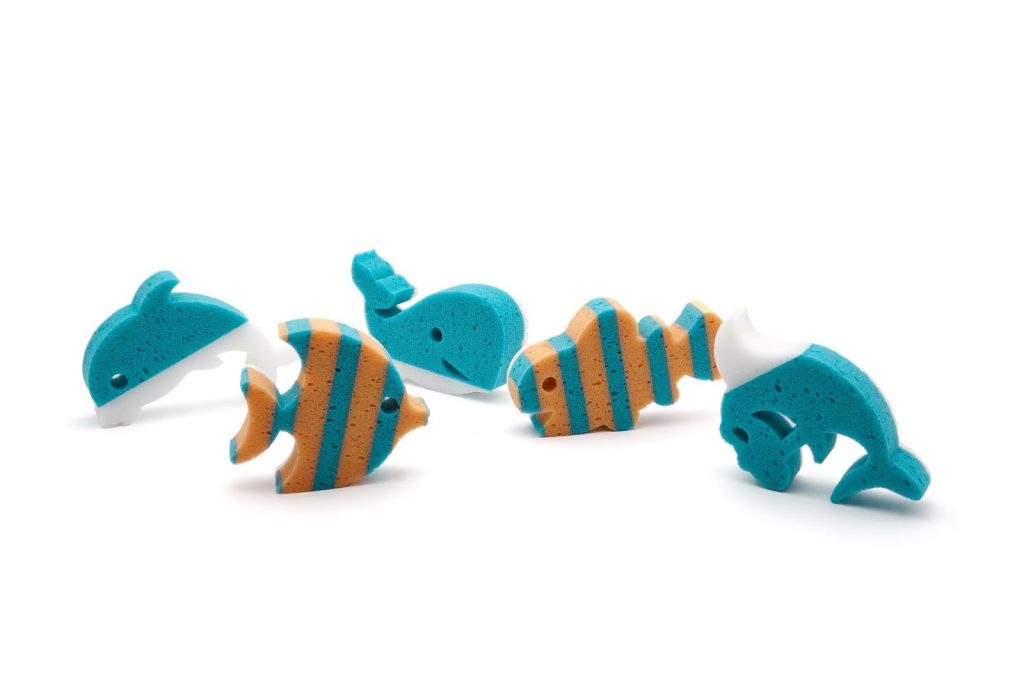
One of the simplest ways to reduce resistance is to make bath time feel like a continuation of play rather than a forced interruption. Colorful bath toys, floating animals, boats, or soft sponges in fun shapes can help transform the tub into a playful, familiar space. When children associate the bath with fun, they are far more likely to accept it willingly.


- Give your child a small sense of control
Instead of saying, “It is time for a bath,” try offering a simple choice such as, “Would you like to take your bath now or in ten minutes?” The bath is still happening, but the child feels involved in the decision. This small shift can reduce resistance and support their growing need for independence.
- Make the routine predictable
Children thrive on predictability. When bath time happens at the same time and follows the same sequence every day, it becomes a normal and expected part of the routine. For example: playtime, bath, pajamas, story, bedtime. The more predictable the sequence, the less room there is for stress or negotiation.
- Address specific fears without dismissing them
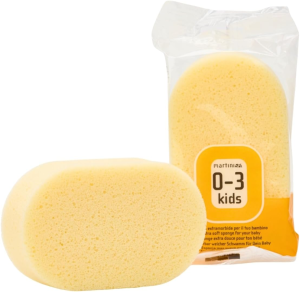
If your child has a particular fear, try to address it directly and calmly. If they are afraid of the drain, avoid letting the water out while they are still in the tub. If they dislike water on their face, use a soft sponge or a shampoo visor to rinse their hair more gently. Small adjustments can make a big difference.
A helpful rule is this: first acknowledge the discomfort, then offer a solution. For example, “I know that bothers you. Let’s do it together this way.”

- On difficult days, choose peace over conflict
Some days are simply harder than others. When resistance is very high, a quick wash with a soft wash mitt may be better than a long struggle that leaves everyone exhausted. Not every bath needs to be perfect, and not every battle is worth fighting. Consistency matters, but so does protecting the overall emotional tone of the routine.
- End on a positive note
The last moments of bath time matter. If the final thirty seconds feel warm, playful, and reassuring, your child is more likely to remember the experience positively. Blow bubbles, sing a short song, make a foam beard, wrap them in a warm towel, or offer a small compliment. These simple gestures can help the next bath start more smoothly.
There is no one perfect solution
There is no universal strategy that works for every child. In most cases, the best results come from combining a predictable routine, small choices, and practical tools that reduce common sources of stress, such as water on the face, slipping, or overstimulating sensations.
The goal is not to win a battle. It is to make bath time feel safer, easier, and more peaceful, one step at a time.
For years, we have designed sponges and accessories created to make bath time simpler and more enjoyable, even for the youngest children. To explore our products and find the right ally for your bath time routine, visit our Amazon catalog.